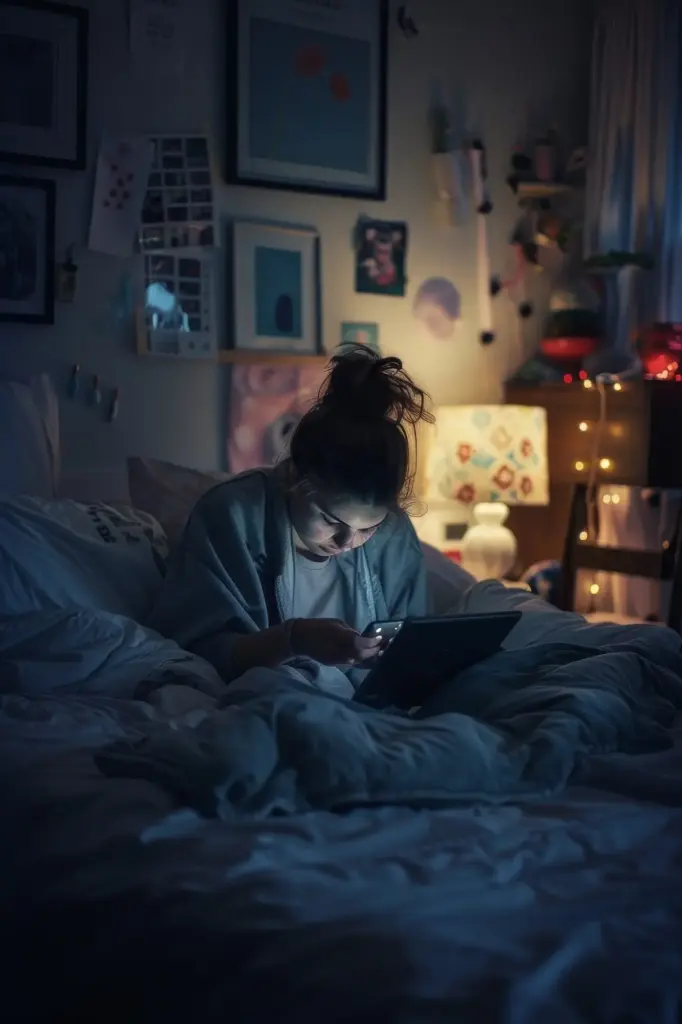
Transform Sleep Tonight with Quick Lighting Tweaks

Welcome! We’re diving into rapid lighting adjustments for a sleep-friendly bedroom, turning small, practical changes into meaningful rest starting tonight. You’ll learn how color temperature, dimming routines, blackout strategies, smart controls, and soothing layers of light calm your nervous system and support melatonin. Expect actionable swaps, easy tools, engaging routines, and gentle wake options, all tested across real homes. Share your results, ask questions, and subscribe for weekly experiments that honor your body’s clock without expensive overhauls or complicated installations.

Light and the Body’s Clock, Simplified Fast

Your body follows a circadian rhythm guided by light. Bright, cool light signals daytime; warm, dim light signals evening and rest. A few targeted adjustments in your bedroom can nudge hormones like melatonin in your favor, quiet racing thoughts, and reduce wakefulness. We’ll focus on easy, fast wins that shift color temperature, tame brightness, and imitate sunset. Use these fundamentals to set a calmer mood tonight, then refine later with habit-friendly routines that feel natural, repeatable, and deeply restorative.

Five-Minute Bulb Swaps That Change Everything

You don’t need a new lighting system to sleep better; strategic bulb swaps do the heavy lifting. Start by changing lamps you use within two hours of bedtime, prioritizing warm, low-lumen options with steady, flicker-free drivers. The shift is immediate: softer edges, calmer pupils, and more willingness to close the day. Pick dependable brands, check labels carefully, and keep receipts for quick testing. Let your eyes and body judge, not marketing claims. Practical changes invite repeatable comfort.

Find the Right Kelvin on the Box

Look for 2200K to 2700K in clear print on packaging, sometimes called “warm white” or “soft white.” Ignore “daylight” and “cool white” options, especially for bedside. If possible, choose bulbs with high color rendering for natural skin tones and cozy wood textures. The result feels flattering, gentle, and less clinical. Your room’s character deepens, and the bed reads as a refuge. This quick selection habit saves money, reduces returns, and speeds your journey to consistent, welcoming evenings.

Swap Only the Offenders

You don’t need to overhaul every socket. Identify offenders by asking which lights feel harsh or keep you awake: usually overhead fixtures, bright vanity bulbs, and glaring desk lamps. Replace those first with warmer, lower-output alternatives. Keep daytime brightness elsewhere if you need it for productivity. Fewer targeted changes reduce friction, create contrast between evening and morning zones, and let you fine-tune affordably. Start small, test for a week, then expand only where results justify the effort.

Warm-Glow or Tunable Whites

Consider “warm-glow” bulbs that naturally warm in color as they dim, or tunable bulbs that slide from neutral to amber through simple controls. These options mimic a sunset without technical complexity. Use them for reading lamps and dressers; keep settings consistent after dinner. The predictability builds trust with your body, making bedtime feel like an anticipated exhale rather than a fight. If sharing a room, program a shared evening preset, saving arguments and encouraging supportive, synchronized routines.

Smart Controls Without a Smart Home Headache

You can automate wind-down without rewiring or learning complicated ecosystems. Plug-in dimmers, remote-controlled bulbs, and smart plugs establish gentle routines in minutes. Set a nightly schedule that dims and warms automatically, then add a single button to turn everything off from bed. Automation prevents bedtime “just one more thing” tasks from stealing precious calm. Keep the setup simple, reversible, and renter-friendly. You’ll gain consistency, store peace of mind, and free attention for rest and connection instead of switches.

Plug-in Dimmers Save the Day

Inline dimmers turn any lamp into a calming tool. Place one on your most-used bedside light, and teach your body a new ritual: turn the wheel down to a whisper while brushing teeth, then down further while stretching. This tactile cue becomes a reliable signal that effort is ending. No apps, no accounts, no firmware updates—just a graceful slope toward darkness. For shared rooms, give each bedside lamp its own dimmer so individual preferences feel respected and effortless.

Routines That Respect Wind-Down

A simple schedule pulls the evening along gently. Set a nine o’clock shift to warm light, a ten o’clock dim to thirty percent, then a near-bedtime settling at ten percent. Keep a single, low amber path for bathroom trips. Automation removes decision fatigue and procrastination, turning rest into default rather than a goal you must earn. Start conservative, adjust gradually, and listen to your body. If weeks feel chaotic, let the routine hold you steady when motivation dips.

Bedside Strategies That Soothe

Aim the bulb away from eyes, using opal shades or fabric drum lamps to diffuse points of brightness. A lower wattage or lumen count keeps contrast gentle while preserving legibility for a page or journal entry. Consider a pull chain or inline switch reachable without sitting up. These details prevent jarring spikes of alertness and reward your body with predictability. Personalize the height so light kisses the book, not your pupils, easing the bridge between thought and dreaming.

Nightlights That Guide, Not Blast

For late-night trips, choose motion-activated amber or red nightlights around 0.5 to 5 lumens, pointed downward. They safeguard navigation without flooding the room. Avoid blue or cool white versions that scream “wake up.” Place them near door frames, baseboards, or under-bed strips to keep sightlines low. This reduces stumbles, keeps partners asleep, and spares your brain from daytime signals. When you return to bed, darkness remains your ally, and sleep resumes without long negotiations or restless detours.

Curtains, Shades, and Glow Control

Soft layers aren’t only bulbs and lamps; window treatments matter. Sheers plus blackout curtains give flexible control for evenings and mornings. If streetlights or signage leak in, add a liner or a side return to block lateral glow. Consider top-down shades for privacy with daylight. The goal is gentle, adjustable light that respects your body’s cues. A calm envelope prevents neighboring brightness from hijacking your mood, freeing your room to be a sanctuary, not a compromise with outside noise.

Sealing Leaks You Forgot

Stand in your darkened room at night and look for stubborn glows: under-door slivers, outlet halos, curtain gaps, and flashing device LEDs. Add a door sweep, opaque tape on standby lights, outlet gaskets, and wraparound curtain returns. Even small leaks agitate sleepy brains. The payoff is real: deeper quiet, fewer awakenings, and a stronger sense of privacy. Treat this like a scavenger hunt; each solved leak becomes a tiny gift of calm you feel every single night.

Portable Options for Renters

If drilling isn’t possible, tension rods, clip-on blackout liners, removable hooks, and static-cling films create sturdy, reversible darkness. Add travel blackout shades for visits, and a draft stopper to block hall light from the threshold. Layer a decorative curtain in front for daytime charm. These temporary tools respect deposits while delivering serious performance. When you move, everything comes along easily. Sleep quality should not depend on ownership. With portable solutions, you can claim restorative nights wherever life takes you.

Gentle Wake with Dawn Light

Sunrise alarms gradually brighten from deep amber to soft gold, coaxing your body awake without jolts. Choose models with adjustable duration and warm spectrums, and pair them with real daylight shortly after rising. If possible, open shades to invite morning sun onto walls, not eyes. This sequence reduces grogginess and supports a consistent wake time even in winter. Over time, mornings feel like openings instead of battles, and evenings naturally drift earlier, reinforcing the restful rhythm your bedroom cultivates.

Screen Strategy That Actually Sticks

Rather than promising a dramatic cutoff you won’t keep, make screens boring at night. Enable night shift or warm-tone filters, lower brightness, and set a twenty-minute buffer where you switch to audio or paper. Park chargers away from pillows. Reward yourself with a softer lamp and a favorite chair. Choose content that winds you down, not winds you up. This realistic approach preserves calm while protecting connection, and it’s far easier to maintain through busy seasons and stress.

Reading Light Without the Buzz

Pick a dedicated reading light with low glare, warm color around 2200K to 2700K, and steady, flicker-free electronics. Aim it at the page, not your partner, using a gentle shade or narrow beam. Keep brightness just bright enough to avoid squinting, no more. The result feels like a story told by candlelight, not a task under inspection. When eyelids grow heavy, switching off should be effortless. Let your bookmark and dimmer become anchors that reliably close the evening kindly.

Wind-Down Timers and Signals

External cues help when motivation falters. Set a timer for the first dim and a different chime for final lights. Pair each signal with something pleasant: stretching, moisturizer, or a calming playlist. Consistency makes these markers powerful. Over a week or two, your body anticipates them, reducing decision friction. If a day runs late, keep the sequence, just shorter. Rituals are more about the pattern than perfection, and light-driven signals gently carry you toward sleep without debates or guilt.

From Insomnia to Ease: Quick Wins Shared

In one apartment, a night owl swapped two cool bulbs for warm-glow lamps, added a motion amber nightlight, and set a ten p.m. dimming routine. By week’s end, wakeups dropped, and mornings felt kinder. The changes cost less than takeout and took minutes to install. Your results can arrive just as quickly. Share your before-and-after, ask for targeted tweaks, and subscribe for weekly experiments. Together we’ll refine, celebrate wins, and keep evenings compassionate, realistic, and wonderfully repeatable.
Renuzozaxokotira
Privacy Overview

This website uses cookies so that we can provide you with the best user experience possible. Cookie information is stored in your browser and performs functions such as recognising you when you return to our website and helping our team to understand which sections of the website you find most interesting and useful.